Walking on the shores of Tethys Ocean 100 Million Years Ago
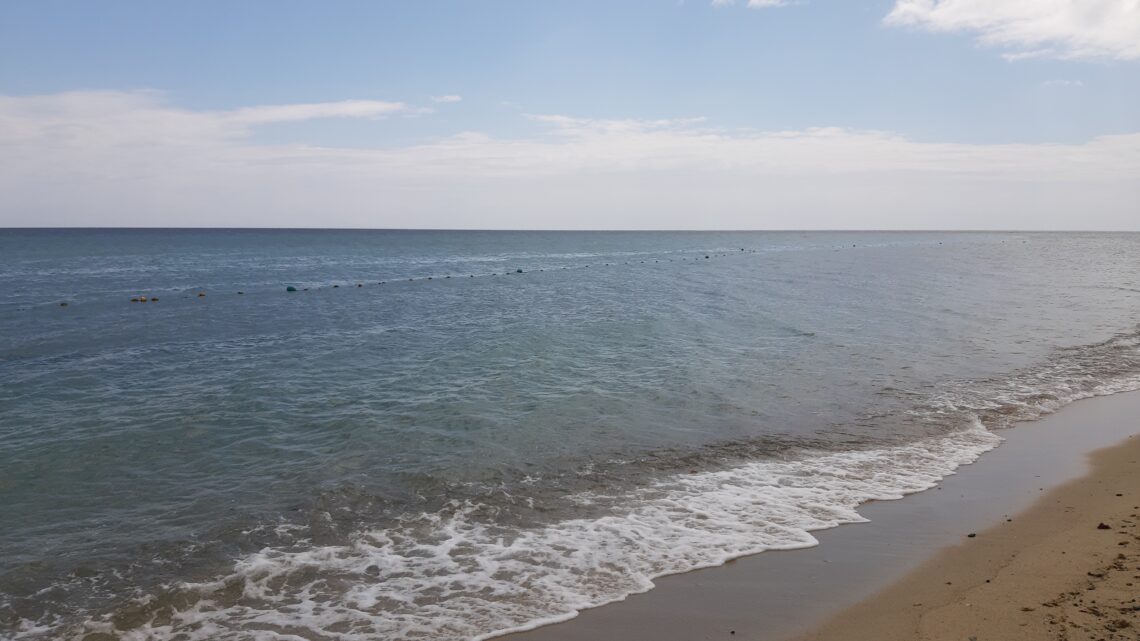
Earth was really indeed a different place 100 million years ago. You could imagine Earth as it is now just by walking alongside the sea if you have some spare time and having little amount of adventurous soul, but if you traveled back 100 million years ago, Earth still seemed to be different yet feels the same. If you could actually picture Earth’s seas 100 million years ago, you might not probably feel that you traveled back in time 100 million years ago, except if you in land where weird animals roam. But in this case, it’s much easier to imagine Earth 100 million years ago if you look at the sea, beyond the horizon dotted with small islands while walking alongside the Cretaceous coasts which is probably similar to beaches in the Philippines minus the coconut which will not exist for another 40 million years. Looking at the sea is much more fun too! Welcome to Tethys Ocean.
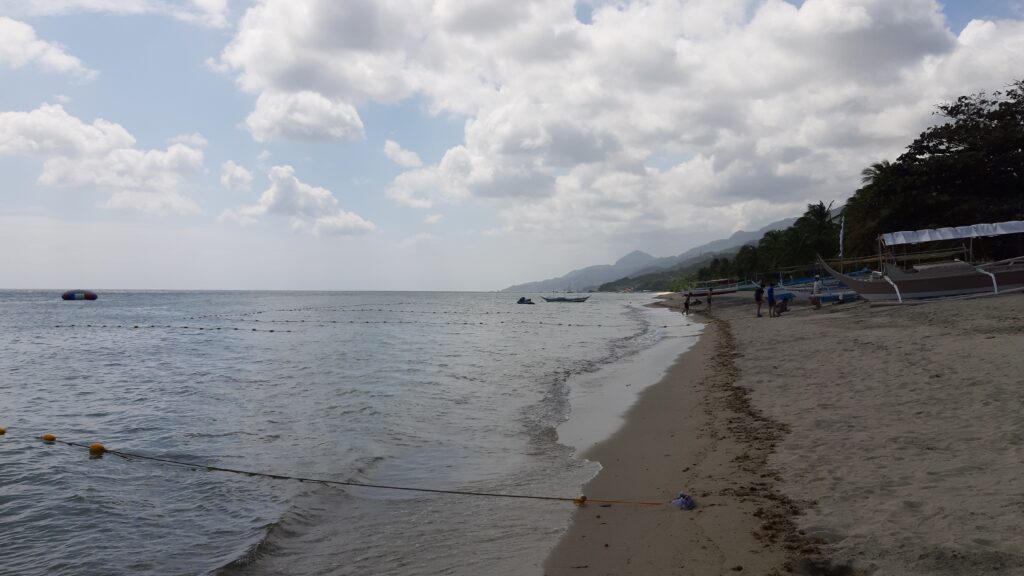
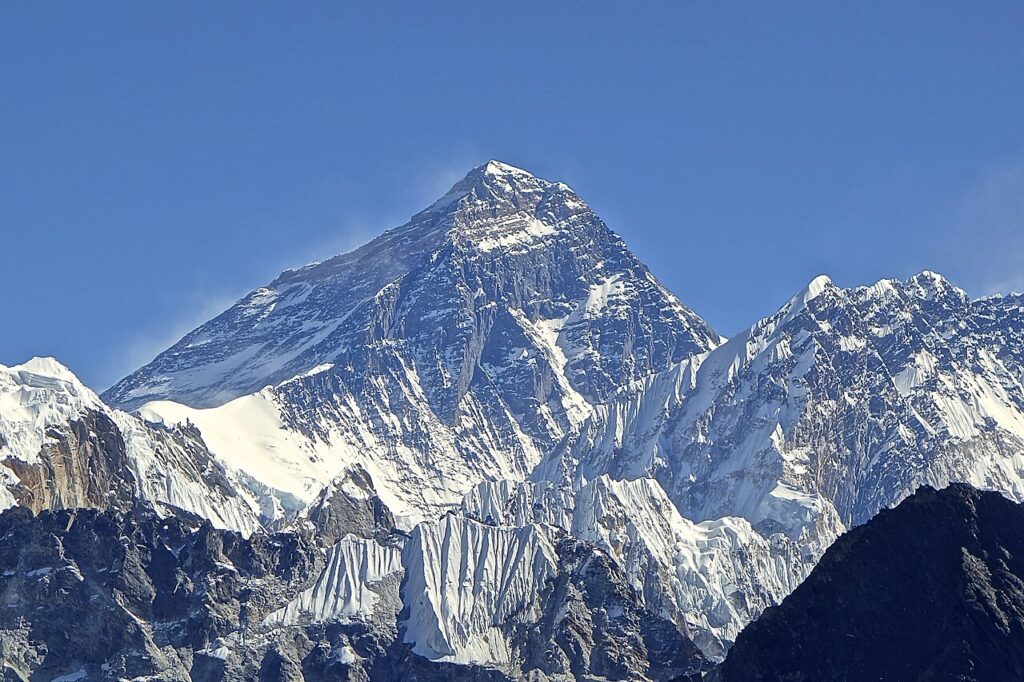
Tethys Ocean long fascinated me not because of its catchy name, but because of its similarity to today’s beaches. 100 million years is indeed a really long time and a lot has happened during those times, but in the grand scheme of things, even a time of 100 million years is short. Modern theory posits that Tethys Ocean is the predecessor of Indian Ocean when ancient India started to broke away from Gondwana 100 million years ago and traveling toward prehistoric Asia, becoming what the scientists call “Insular India” and existing as an isolated island in the middle of Tethys Ocean for 50 million years and finally colliding to Asian continent as late as 35 million years ago, giving rise to the majestic Himalayas mountain ranges and sporting the world’s highest point, the Mt. Everest, which is oddly, made of marine limestones of ancient sea floor. Yep, you read that right. Mt. Everest’s summit is an ancient sea floor! How do they know? They can still see trilobite and coral fossils near the summit of Mt. Everest.
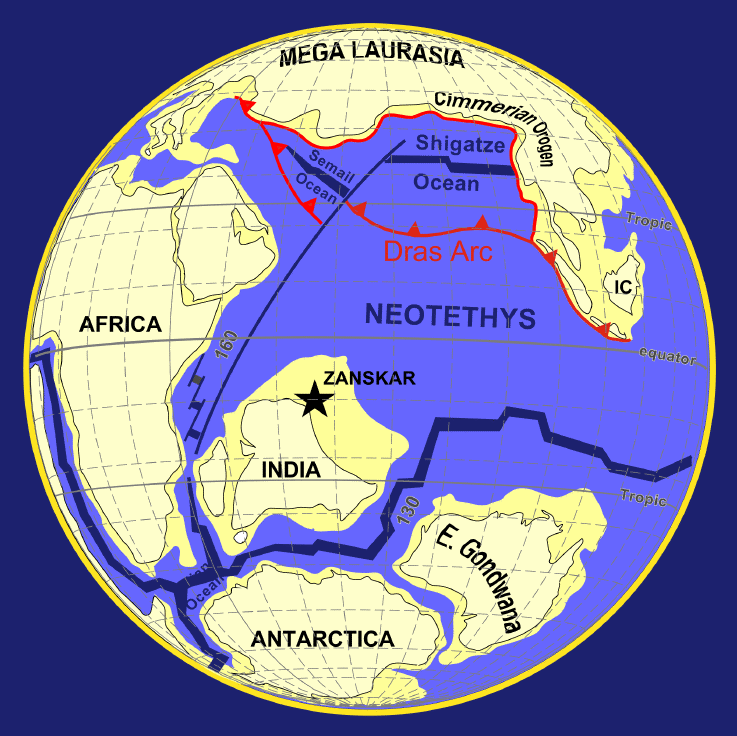
Gondwana is indeed a really large landmass comparable to Asian continent today but it was situated in the Southern Hemisphere. The eastern part of Gondwana faces the famous Tethys Ocean. Try to imagine yourself walking alongside the beaches of the eastern Philippines with the likes of Samar. Any wide body of water on the right of the Philippines is the might Pacific Ocean, which is similar to Gondwana facing the Tethys Ocean 100 million years ago which probably means that many places in Gondwana which are near to the famed Tethys Ocean has similar climate to modern day Philippines that faces the vast Pacific Ocean; hot, dry, humid, temperate, and tropical.
If you’re standing on the Cretaceous beaches of Gondwana 100 million years ago, it will remind you of the beaches of the Philippines where you used to swim and bathe yourself there. Its quite likely there are also beautiful beaches on the margins of Gondwana just like having beautiful beaches here in the Philippines, displaying white sands, clear sea, abundant sea life and nice orange sunset because the geology that gave rise to sandy beaches and clear waters are essentially the same 100 million years ago and today. Even better, the sun is indeed fainter by less that one percent 100 million years ago than today that you can confidently say that the brightness of the sun 100 million years ago is pretty much the same as it is now. You can easily imagine the Sun’s brightness 100 million years ago by looking at the Sun today. Just make sure you don’t look at the Sun directly or it might temporarily blind you. How cool is that!
Earth was generally warmer 100 million years ago than today so the tropical climate on the margins of Gondwana is more pronounced. Try to imagine yourself again walking along the beaches in the Philippines while striding along the sandy coasts. The feeling of walking along the modern coasts; with the wind hitting on your face, to the smell of the chaotic sea and the graininess of the sand, is just similar to the weather on the outskirts of Gondwana 100 million years ago. Dipping your feet on the shallow depths of Tethys Ocean on many parts of Gondwana feels like dipping on water on many beaches in the Philippines; different but still the same. You could probably get sunburned in Gondwana coasts easily because Earth was warmer that today. The average temperature of Earth was a balmy 23 degrees Celsius 100 million years ago while the average temperature of Earth today is only 15 degrees Celsius. While 23 degrees Celsius doesn’t sound that hot until you’ll learn later on that this means that temperature at the poles doesn’t go down below 7 degrees Celsius, the temperature at the Equator reaches 33 degrees Celsius and the parts at the interior of the supercontinent Pangaea which is mostly arid and desert – like, could easily hit temperatures in excess of 50 degrees Celsius. Dinosaurs and descendants of crocodiles live pretty near to Earth’s poles.
Sunset in the Tethys Ocean is not that much different to the sunsets seen on the coasts of Philippines today. The sky’s color 100 million years ago is pretty much the same as it is now, sporting a “sky blue” look. But despite of the similarity of the sunset 100 million years ago on Gondwana and today’s beaches, if you’re resting on the hammock beside the beach at 6 o’clock somewhere on the beaches of the Philippines, it gives you a startling realization how short life is. Just imagine that the sunset you’re staring on after a long day at the beach is the same sunset dinosaurs have seen 100 million years ago and some parts of beaches where you are probably striding on are similar to parts of the outskirts of the continent Gondwana 100 million years ago. It’s apt that to say that the sea you were probably bathing on was the same water that wet the dinosaurs 100 million years ago. There is no modern analog of Tethys Ocean today because the ocean itself is triangular in shape, which widens afar and for some ill – defined border, reaches the superocean Panthalassic Ocean. Panthalassic Ocean’s seabed may be gone, having being subducted under the continental crusts that surrounded the superocean for millions of years, yet we can still feel the effect of Panthalassic Ocean; just look at the Pacific Ocean. The Pacific Ocean is the direct successor of the massive Panthalassic Ocean, which is smaller but nevertheless, mighty enough to command respect.
Diving into few meters of the Tethys Ocean slightly far from the shores of Gondwana, things aren’t really much that different from diving any tropical waters in the Philippines. You could still see many familiar creatures like corals, fishes and crinoids in the slightly deep waters of the Tethys Ocean not that far off on Gondwana. If you really like to see the Cretacious monsters like ichthyosaurs you need to go farther and deeper in the Tethys Ocean to see those ancient monsters and feel the wrath of Cretaceous animals. Now that’s a world separate from modern times.
But if you really wanted to feel the shores of Tethys Ocean and its immense influence on us, or you’ll just like to make your imagination run free, Tethys Ocean is everywhere. From the shores of the Philippines where humans walked on sandy beaches which also existed in Gondwana 100 million years ago, to creatures that you could see on low tides at afternoon after a long, exhausting day which many of them are descendants of sea creatures that existed 100 million years ago, to generally the entire look of the beaches in the Philippines which are similar to the beaches of Gondwana 100 million years ago, could be amazing if we suddenly transported ourselves to the time when Tethys Ocean existed and take a swim there.
After your long, adventurous trek along the Tethys Ocean, you are now free to admire the Cretaceous sunset. Take a deep breath while you slowly close your eyes and feeling the warm, Cretaceous climate that is still lingering in you long after you have visited.


You May Also Like
Looking up the Cape Bolinao Lighthouse in Bolinao, Pangasinan
Waddling in Patar Beach in Bolinao, Pangasinan